Failure Without Faults: How Enterprise Storage Systems Degrade Long Before They Break
Inside one engineer's 15-year pursuit of preventing the failures no one sees coming MOUNTAIN HOUSE, CA / ACCESS
Press Release Disclaimer: This is a press release distributed through the XPR Media network. It has not been independently verified by our newsroom.

Inside one engineer’s 15-year pursuit of preventing the failures no one sees coming
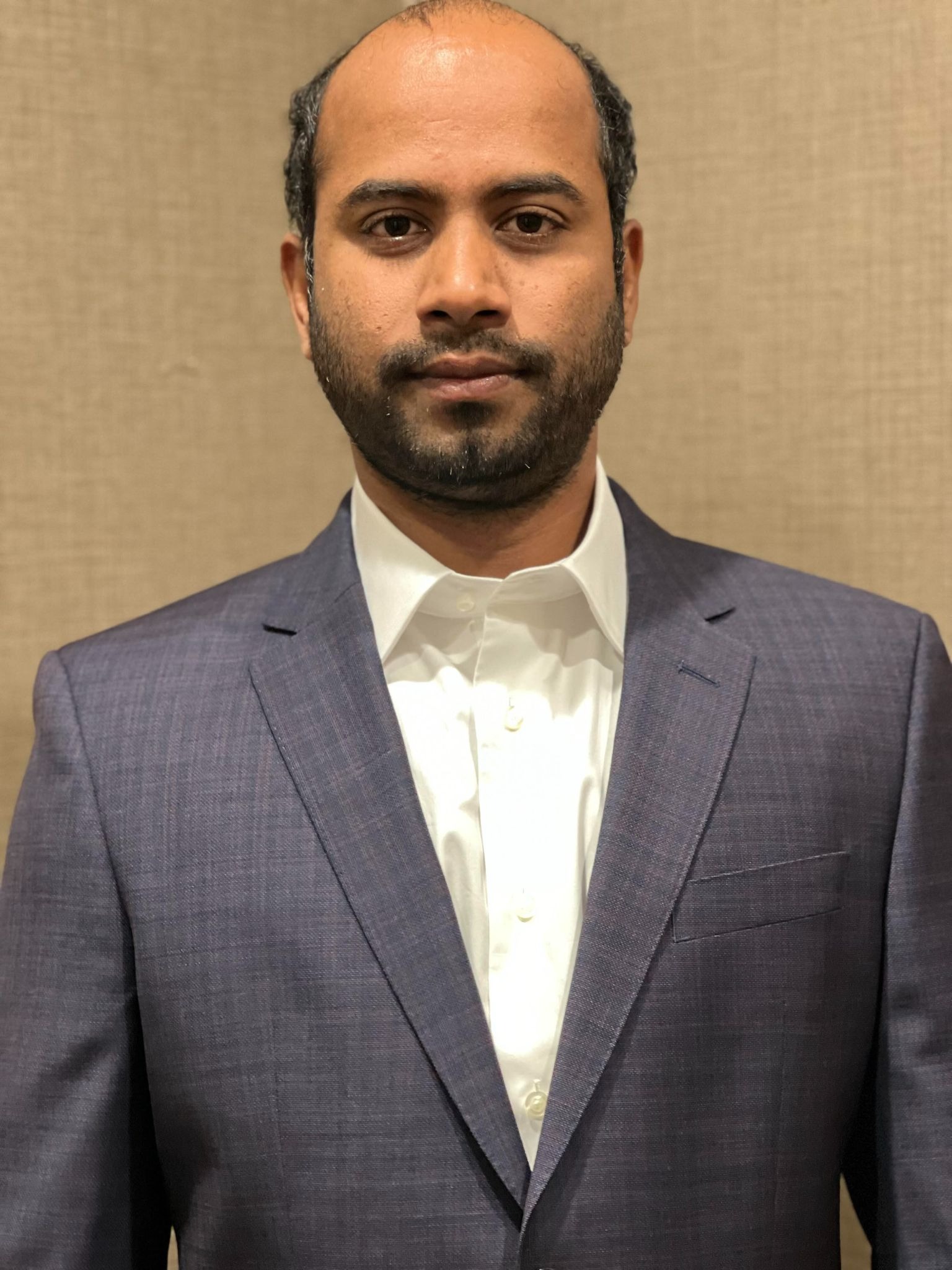
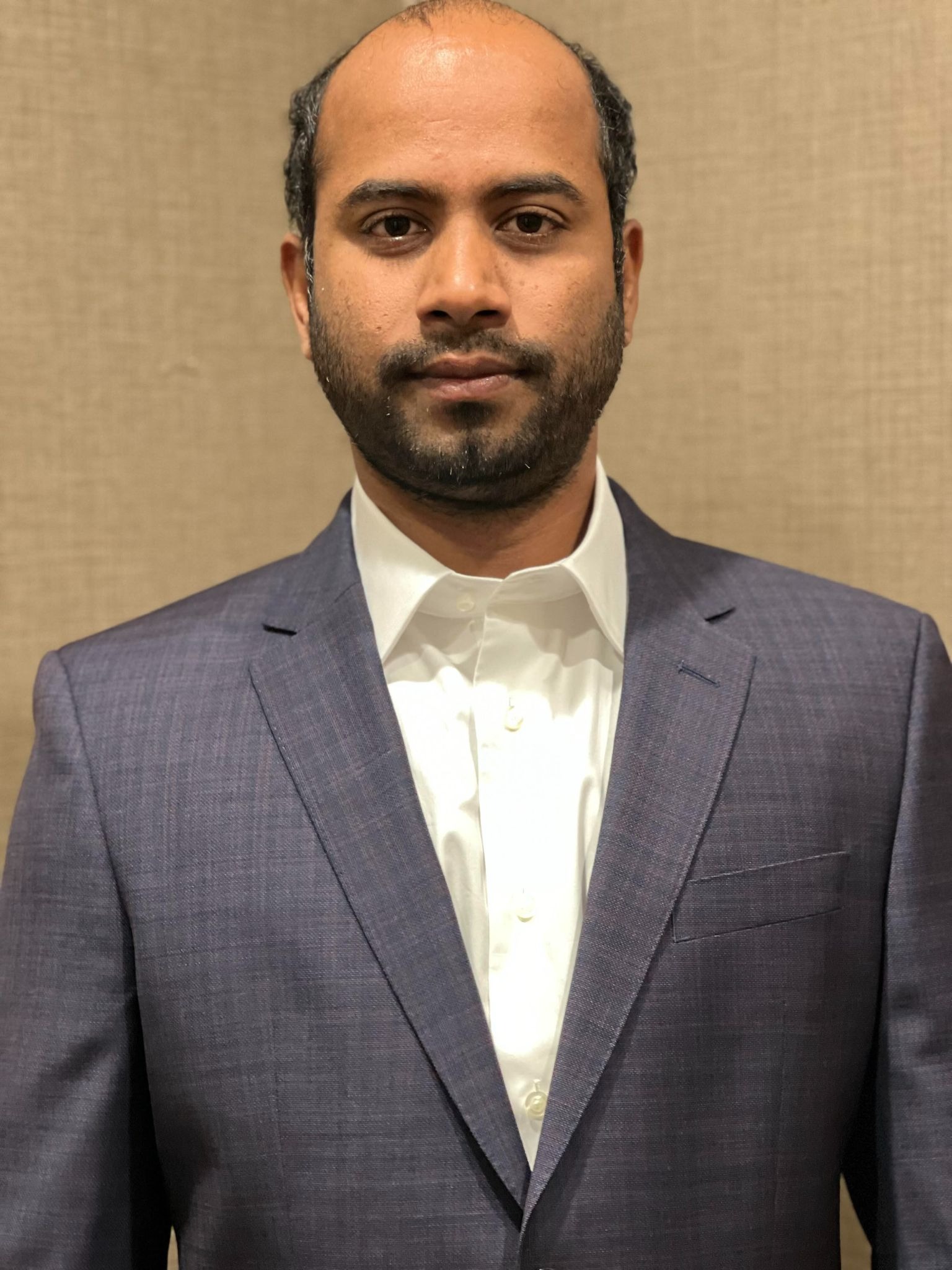
MOUNTAIN HOUSE, CA / ACCESS Newswire / September 14, 2026 / When an enterprise storage array finally fails, the failure itself is rarely the story. The real story, says Mallikarjun Vppalapati, a Senior Cloud Systems Engineer who has spent more than 15 years designing and supporting enterprise storage infrastructure, is everything that happened in the weeks-or even months-before anyone noticed.
“Storage systems don’t just stop working one day,” Vppalapati says. “They degrade. A little added latency here, a RAID group running a bit hotter than it should, a storage controller handling more I/O than intended. None of it looks urgent in isolation. But that’s exactly how outages get built.”
In many enterprise environments, those early indicators are subtle enough to blend into normal operational noise. A few milliseconds of additional write latency on a storage controller may seem insignificant during routine monitoring. Yet when that delay combines with replication lag, increasing queue depth, or uneven workload distribution across storage pools, application performance can gradually deteriorate long before any hardware component reports a fault. By the time users notice slower response times or critical applications begin timing out, the underlying issue has often been developing for weeks.
“The biggest misconception is that storage failures happen suddenly,” he explains. “Most of the time they evolve gradually. Organizations that consistently avoid major outages aren’t necessarily the ones with the newest hardware-they’re the ones paying attention to small operational changes before they become service-impacting events.”
A Career Built Across Enterprise Storage Platforms
Since beginning his career as a System Engineer in 2009, Vppalapati has spent more than 15 years managing enterprise storage environments spanning multiple vendors, architectures, and industries. His experience includes administering petabyte-scale storage arrays, high-performance SAN environments, disaster recovery platforms, and hybrid infrastructure supporting mission-critical business operations.
Throughout that journey, he has modernized enterprise storage systems, performed large-scale data migrations, and maintained business continuity across production environments where downtime was not an option.
Throughout his career, Vppalapati has supported large-scale production workload migrations between enterprise storage platforms while maintaining uninterrupted business operations. He has also contributed to storage optimization initiatives across hybrid infrastructures by identifying operational bottlenecks early and improving infrastructure consistency, performance visibility, and overall resilience.
“Every storage platform has its own warning signs,” he says. “If you only understand one ecosystem, you’re blind to the rest of your infrastructure. The organizations that stay resilient are the ones that monitor everything consistently, regardless of the underlying technology.”
Where Enterprise Storage Risk Really Lives
While supporting a major financial exchange earlier in his career, Vppalapati led enterprise storage modernization projects that migrated production workloads from legacy storage arrays to next-generation platforms without interrupting trading-critical operations. During another assignment supporting a major media and entertainment company, he managed synchronous disaster recovery replication between geographically separated data centers while maintaining continuous data mobility across multiple enterprise storage environments.
Those experiences reinforced an important lesson.
“Migrations and replication are where operational risk concentrates,” he says. “You’re moving live data between systems that don’t always speak the same language. If you’re not continuously monitoring latency, replication health, and storage performance during those transitions, you often discover problems only after users begin opening support tickets.”
According to Vppalapati, many enterprise outages originate not from failed hardware but from overlooked operational conditions-imbalanced storage workloads, firmware inconsistencies, replication bottlenecks, or gradual capacity exhaustion that slowly reduces system performance before triggering alarms.
Why Storage Degradation Is So Difficult to Detect
One of the biggest challenges in enterprise storage is distinguishing normal performance variation from meaningful operational drift.
Enterprise infrastructures generate enormous volumes of performance metrics every day. Short-term fluctuations in latency, throughput, or controller utilization are expected. The difficulty lies in identifying when those small deviations become consistent trends.
“Looking at yesterday’s performance isn’t enough anymore,” Vppalapati says. “You have to understand how today’s behavior compares to last week, last month, and expected workload growth. Trend analysis tells you much more than isolated alerts.”
He believes organizations often rely too heavily on threshold-based monitoring that triggers only after performance has already deteriorated. Instead, he advocates building performance baselines, continuously measuring deviations, and identifying slow-moving trends before service quality begins to decline.
Across the enterprise IT industry, organizations are increasingly adopting predictive observability, automation, and AI-assisted infrastructure management as hybrid cloud environments become more complex. By analyzing long-term performance trends instead of relying solely on threshold-based alerts, infrastructure teams can identify emerging issues earlier and improve overall operational resilience.
Bringing the Same Discipline to Hybrid Cloud
Today, as a Senior Cloud Systems Engineer, Vppalapati designs and supports hybrid enterprise infrastructure that integrates cloud platforms with on-premises storage, SAN environments, virtualization platforms, and disaster recovery systems supporting business-critical workloads that operate around the clock. His responsibilities include storage architecture, infrastructure modernization, cloud provisioning, security, automation, and business continuity planning across distributed enterprise environments.
He holds multiple industry certifications in cloud architecture, enterprise storage technologies, and systems administration.
“The cloud didn’t eliminate storage complexity,” he says. “It simply changed where the operational signals appear. Capacity planning, firmware discipline, performance baselines, and infrastructure consistency remain just as important in hybrid cloud environments as they were in traditional data centers.”
From Reactive Operations to Predictive Infrastructure
Increasingly, Vppalapati focuses on replacing manual operational reviews with automation. By developing infrastructure automation scripts and implementing infrastructure-as-code practices, organizations can continuously monitor storage performance, capacity utilization, configuration consistency, and operational health instead of relying solely on scheduled manual inspections.
He also believes artificial intelligence and predictive analytics will play an increasingly important role in enterprise infrastructure management.
“AI won’t replace experienced infrastructure engineers,” he says. “But it can identify patterns across millions of performance metrics much faster than humans can. The future isn’t automated decision-making-it’s giving engineers better visibility so they can intervene before users ever experience a problem.”
For Vppalapati, automation is most valuable when it complements engineering judgment rather than replacing it.
Prevention as an Engineering Discipline
After more than 15 years working across enterprise storage platforms, one principle has remained constant.
“The real work isn’t recovering from disasters,” Vppalapati says. “It’s recognizing the operational signals that tell you something is changing while there’s still time to act.”
As enterprise infrastructure becomes increasingly distributed across on-premises data centers, cloud platforms, and hybrid environments, resilience will depend less on responding quickly after failures occur and more on identifying the subtle performance trends that precede them. The organizations that achieve the highest levels of availability won’t necessarily have better hardware-they’ll have better visibility, stronger observability, and the operational discipline to recognize problems long before users ever notice them.
As Vppalapati concludes:
“The best outage is the one that never happens because someone recognized the warning signs early. The future of storage engineering isn’t just about building resilient systems-it’s about developing the visibility and operational discipline to identify subtle changes before they become business problems.”
About Mallikarjun Vppalapati
Mallikarjun Vppalapati is a Senior Cloud Systems Engineer specializing in enterprise storage architecture, SAN infrastructure, hybrid cloud platforms, automation, and disaster recovery. With more than 15 years of experience, he has designed, modernized, and supported mission-critical enterprise infrastructure across the finance, media, and technology sectors. His expertise includes enterprise storage, storage networking, hybrid cloud, infrastructure automation, observability, and business continuity. He holds multiple industry certifications in cloud architecture, enterprise storage technologies, and systems administration.
Media Contact
Website: https://www.linkedin.com/in/mallikarjun-vppalapati
Location: United States
Email: mvppalapati@gmail.com
SOURCE: Mallikarjun Vppalapati
View the original press release on ACCESS Newswire